How to Master the Dumbbell Bench Press
The dumbbell bench press is one of those exercises that just works. It builds serious upper body strength, hits your chest, shoulders, and triceps, and gives you a level of control that the barbell version just can’t match. Because each arm moves independently, you get a fuller range of motion, which often means more muscle growth and less wear and tear on your joints.
But like any exercise, doing it right matters more than doing it heavy. Here’s a breakdown of how to do it, why it’s worth your time, and who should (and shouldn’t) be adding it to their routine.
How to Do the Dumbbell Bench Press
Step 1: Get Set Up
Start by sitting on a flat bench with a dumbbell in each hand, resting on your thighs. Your palms should be facing each other—this is a neutral grip. Use your legs to help kick the weights up as you lie back onto the bench. Once you’re down, plant your feet firmly on the floor. Keep your head, shoulders, and glutes pressed into the bench throughout the movement.
Step 2: Press Up
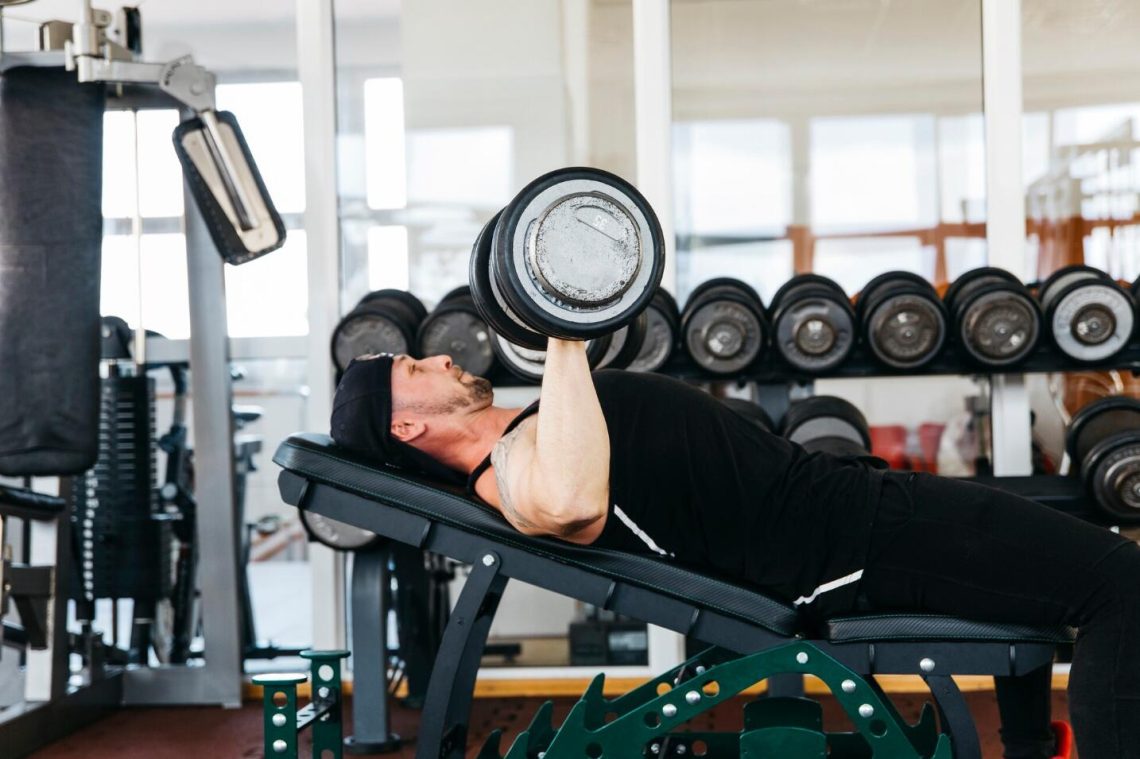
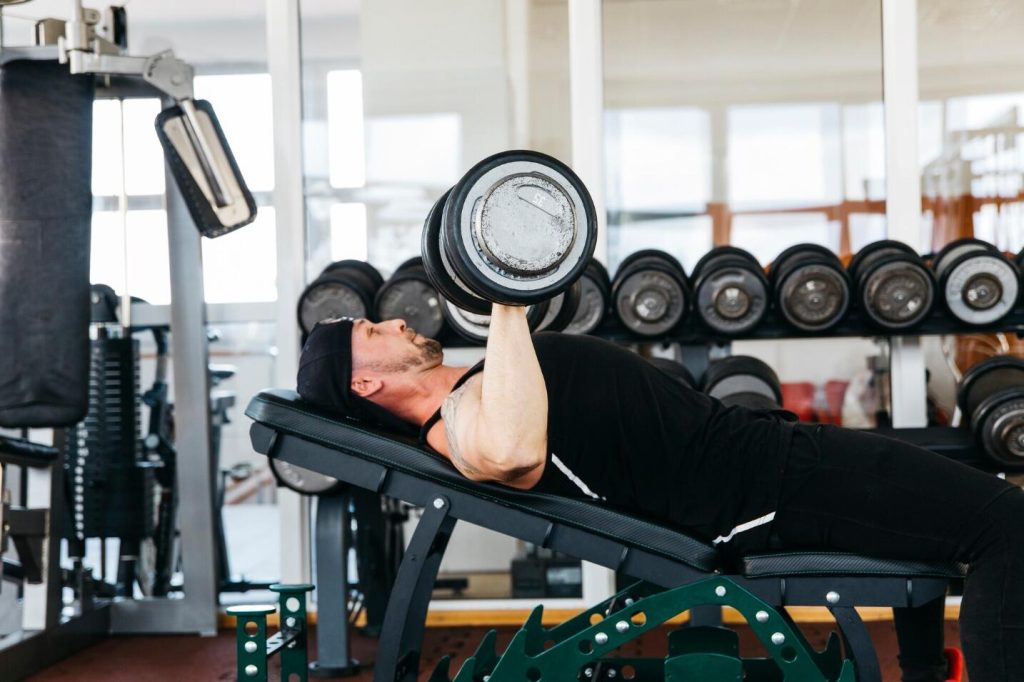
Take a deep breath, brace your core, and push the dumbbells straight up. Extend your arms fully, but don’t lock your elbows at the top. Keep the weights under control—don’t let them bang together or wobble around.
Step 3: Lower With Control
Slowly bring the dumbbells back down toward your chest. Keep your shoulder blades pulled together and down. How low should you go? About chest level, or a bit lower if your shoulder mobility allows it—but only as far as feels comfortable.
Step 4: Press Again
Drive the dumbbells back up to the starting position, and really squeeze your chest at the top of each rep. That squeeze is where the magic happens.
Key Form Tip: Don’t get carried away with heavy weight. If your form falls apart, you’re lifting too much. Lower the load and focus on control—your shoulders and elbows will thank you.
Why Add Dumbbell Bench Press to Your Routine?
More Range of Motion
With dumbbells, you can lower the weight deeper than you can with a barbell. That extra stretch means more muscle fibers get activated, which usually translates to better growth.
Easier on Your Joints
Because your arms can move more naturally, there’s less stress on your shoulders and elbows. If the barbell bench press leaves you sore in all the wrong places, dumbbells might be the answer.
Fixes Muscle Imbalances
Each side works independently, so one arm can’t compensate for the other. Over time, this helps even out strength differences between your left and right sides.
Better Stability
Dumbbells aren’t connected, so your stabilizer muscles have to work harder. That means better balance, coordination, and overall control—not just in this exercise, but in other lifts too.
What to Watch Out For
Going Too Heavy, Too Fast
This is the number one mistake. If you can’t control the weight through the full range of motion, it’s too heavy. Drop down and build up gradually.
Instability
Dumbbells require more balance than a barbell. If you’re not careful, you could drop a weight or tweak a shoulder. Start light and get comfortable before moving up.
No Spotter
With heavy dumbbells, getting stuck at the bottom is a real risk. If you’re pushing your limits, it’s smart to have someone nearby—or at least know how to safely dump the weights to the side.
Who Should Do This Exercise?
Bodybuilders and Gym Enthusiasts
If chest size is your goal, this is a go-to move. The extra range of motion makes it ideal for building muscle.
Strength Athletes and Powerlifters
Even if the barbell is your main lift, the dumbbell version makes a great accessory. It builds pressing strength without beating up your joints.
Anyone Looking for a Joint-Friendly Option
If the barbell bothers your shoulders or elbows, give dumbbells a try. The freedom to adjust the angle makes a world of difference.
Who Might Want to Skip It (or Be Careful)
Beginners Without Supervision
If you’re brand new to lifting, this exercise can be tricky without someone showing you the ropes. Start light, go slow, and don’t be afraid to ask for help.
People with Shoulder or Elbow Issues
Dumbbells are generally gentler than barbells, but they still require control. If you have existing joint problems, check with a professional before loading up.
A Few Extra Tips for Better Results
- Keep your feet flat and your shoulder blades squeezed together. That’s your stable base.
- Don’t lock your elbows at the top. Keep a slight bend to maintain tension on your chest.
- Start lighter than you think you need. Master the form, then add weight.
- Control the descent. Lowering slowly increases time under tension, which is a proven way to stimulate more growth.